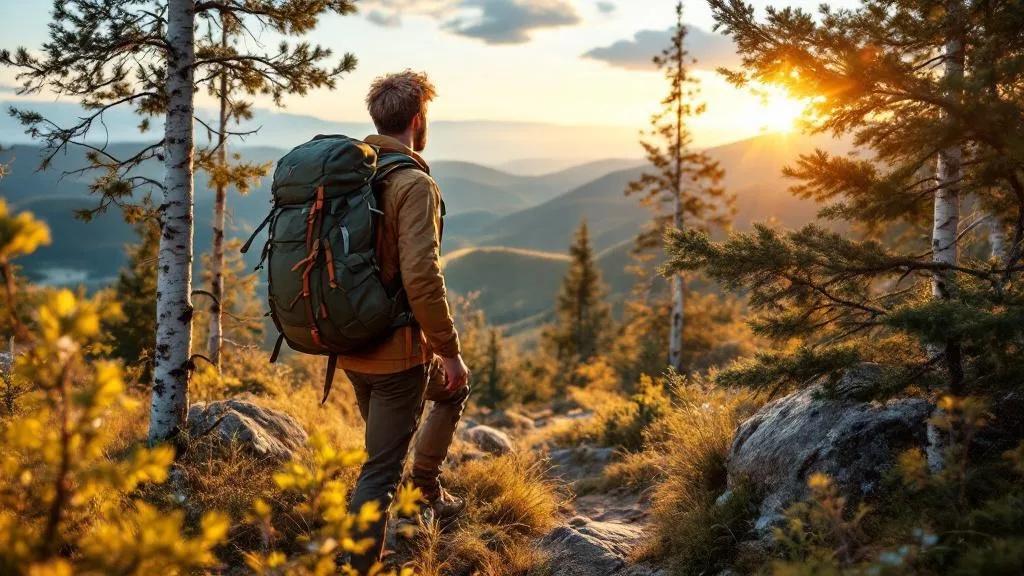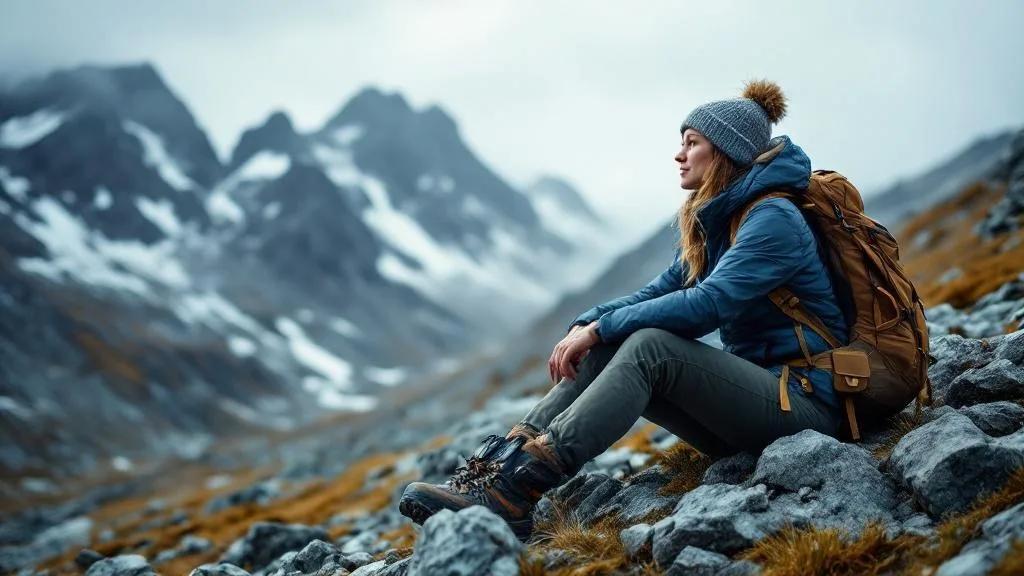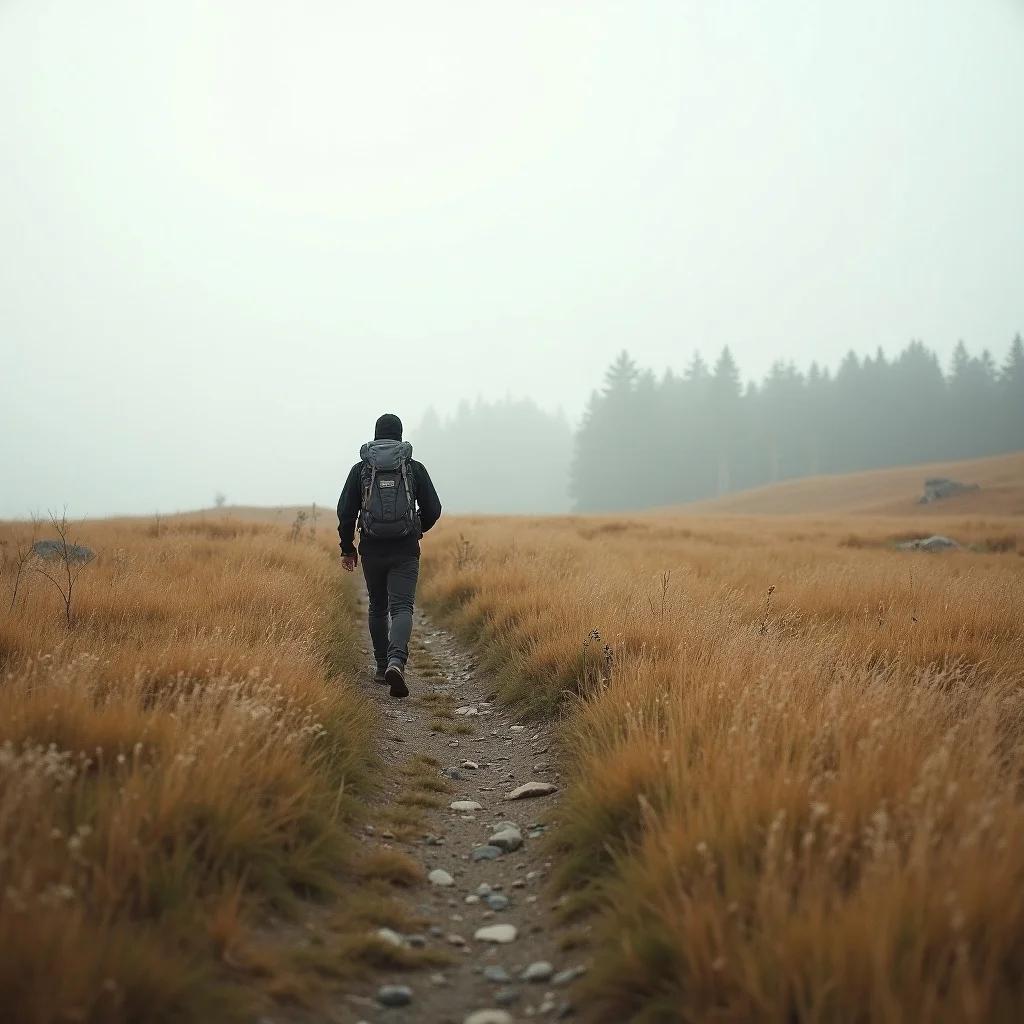
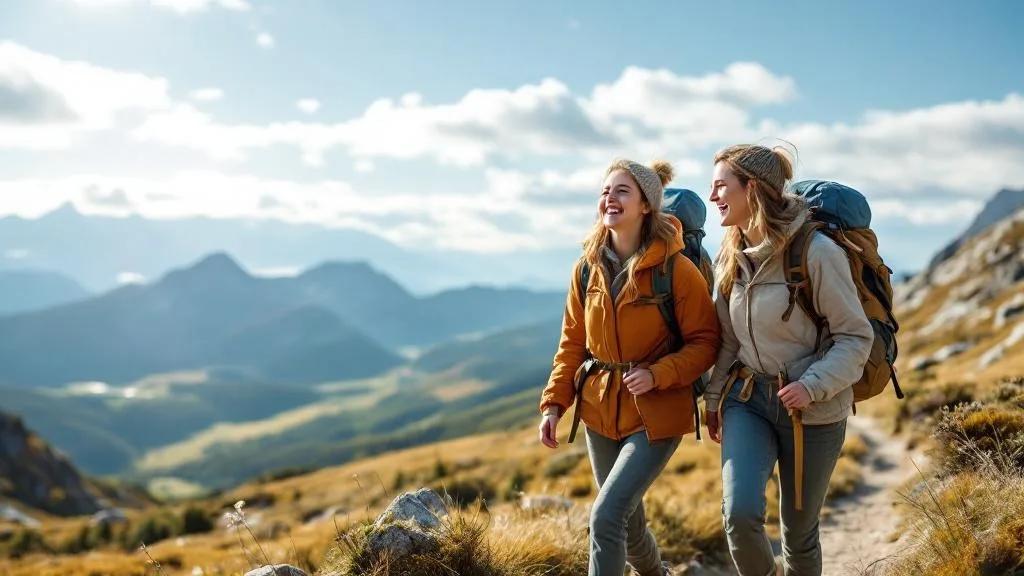
The mist lay thick over the mountain slope, and the trail had long since ceased to be a trail. Eva and Frida scrambled between cairns on the unmarked mountain plateau, weaving slalom through the rock piles and laughing at the absurdity of it all: two orienteers deep in the Swedish mountain chain, carrying everything they needed for two months on their backs. They stopped on a promontory with a view stretching to the horizon, had fika, and breathed in the silence. It was one of those days that lodges itself in your body. The next day, everything would change.
Eva and Frida had known each other since birth (literally, Frida one month older). Frida grew up in the countryside outside Örebro while Eva lived in town, but both came from the same orienteering circles. The forest had always been there for them. Frida attended an outdoor preschool and at seven joined a hiking group started by a friend's mom. "I've been hooked on the forest ever since," as she put it. Eva took a detour via an exchange semester in Canada and a summer job at Kebnekaise fjällstation, but landed in the same place: a dream of hiking Gröna bandet, the entire Swedish mountain chain from south to north.
The idea had lived in Frida's mind since she was around twenty-five, and in Eva's since her years at the mountain station. But it was the feeling that time was running out that made them actually act. Frida had undergone back surgery in 2019 and in 2020 she got injured again. She didn't know how long her body would hold up. Eva was afraid Frida would start a family and the window would close. "Nothing gets easier by putting it off," Eva said. "You might as well just rip off the band-aid."
Getting time off work required planning ahead. They asked their employers roughly nine months before departure. Eva's boss, based in Umeå while she was in Falun, got the question five minutes before a team meeting. He said yes immediately: ten weeks off, no problem, no worse than parental leave. Had he said no, Eva would have quit and joined another consulting firm afterward. Frida had a harder time in healthcare, but she checked with her colleagues in advance so she had her arguments ready: they could cover for her, and she'd be back in time for the autumn group start. The green light came around New Year's.
Their partners were not immediately enthusiastic. Eva's partner had barely gotten to spend time with her the previous summer. Frida's partner took over responsibility for the dog and their newly purchased townhouse. But both eventually came around, perhaps above all because Eva and Frida were so clear that this was something they needed to do. "If you don't do this now, you'll never stop nagging about it," Frida's partner had concluded.
They prepared their food themselves using a food dehydrator Frida had received as a Christmas gift. It was less about saving money and more about variety and flavor; the alternative was powdered mashed potatoes and sausage for weeks. They planned seven resupply boxes to send to different points along the trail, though not all of them ended up being sent as planned.
On the fourth of June, they set off. Things went faster than planned in the beginning, and after three weeks they had days to spare. Then Frida got injured. She was forced to go home, and Eva suddenly stood alone in the mountains. One of the hardest days came shortly after: she walked without seeing any point in moving forward. But she kept going, partly for Frida's sake, partly because Frida called from home and said things were getting better. Frida came back for the final stretch together with a mutual friend who helped carry her food and gear. The GPS message that reached Eva ("We're coming. See you tomorrow") became the best moment of the summer.
Eva reached the goal after sixty-five days. Frida was there for roughly half of them.
Afterward, it was harder than they had expected. Eva struggled to find meaning in her office job. Frida struggled with her body and with not having been there for the whole journey. But the threshold for new adventures had dropped dramatically. "Now we just try," Frida said.
Three things they took away: Invest in good shoes. You can get by on much less gear than you think. And if there are two of you, talk through what happens if things don't go according to plan. Not as a contract, but as a conversation. That conversation saved their friendship and their hike.
So the question isn't whether you have enough time, money, or gear. The question is whether you dare rip off the band-aid.
Top tips from Eva & Frida