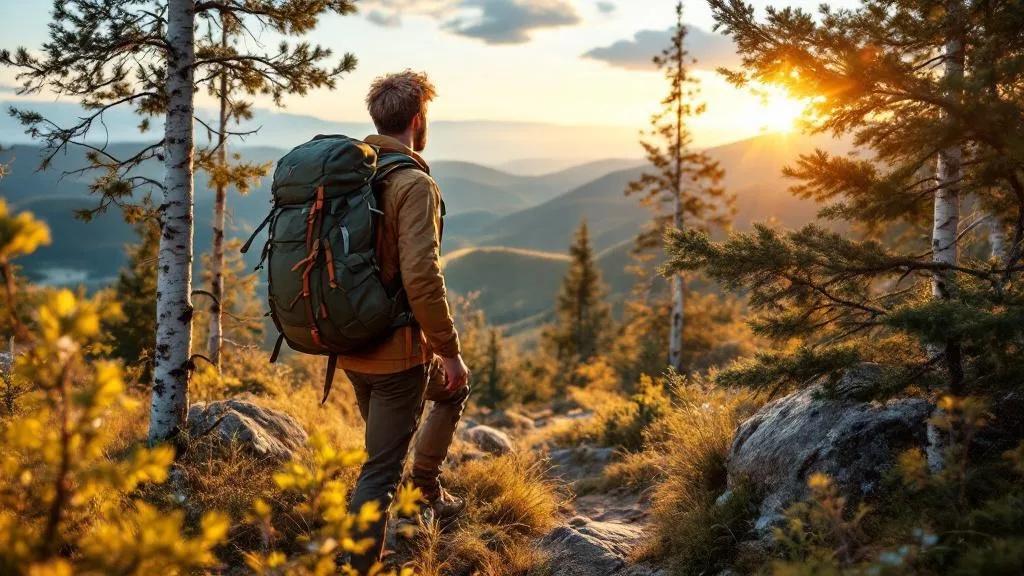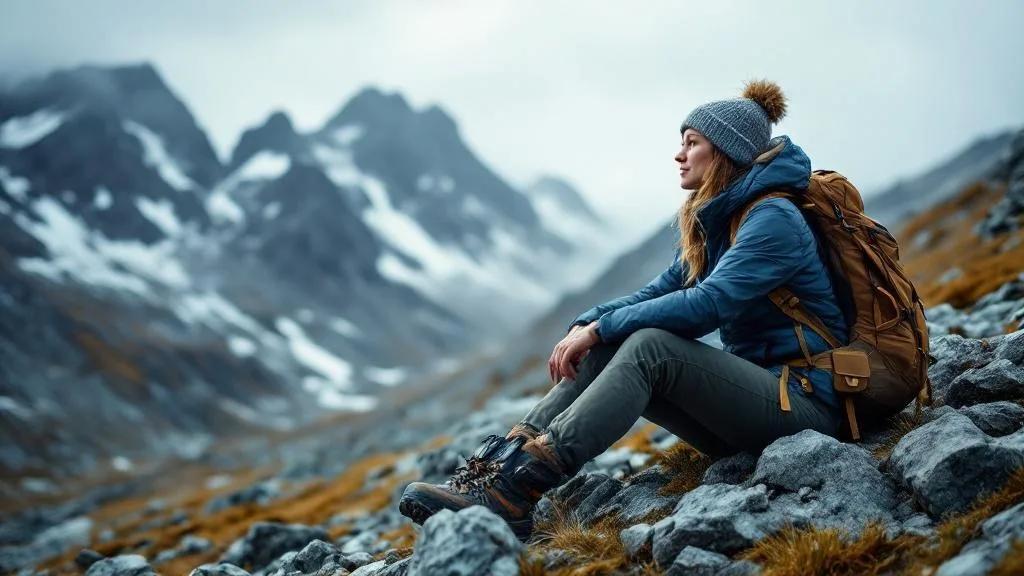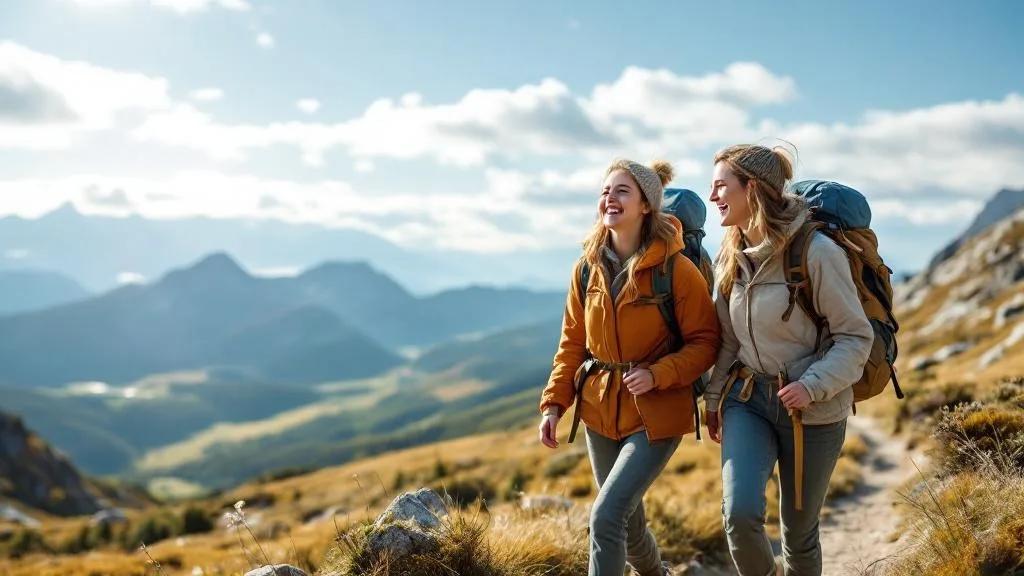
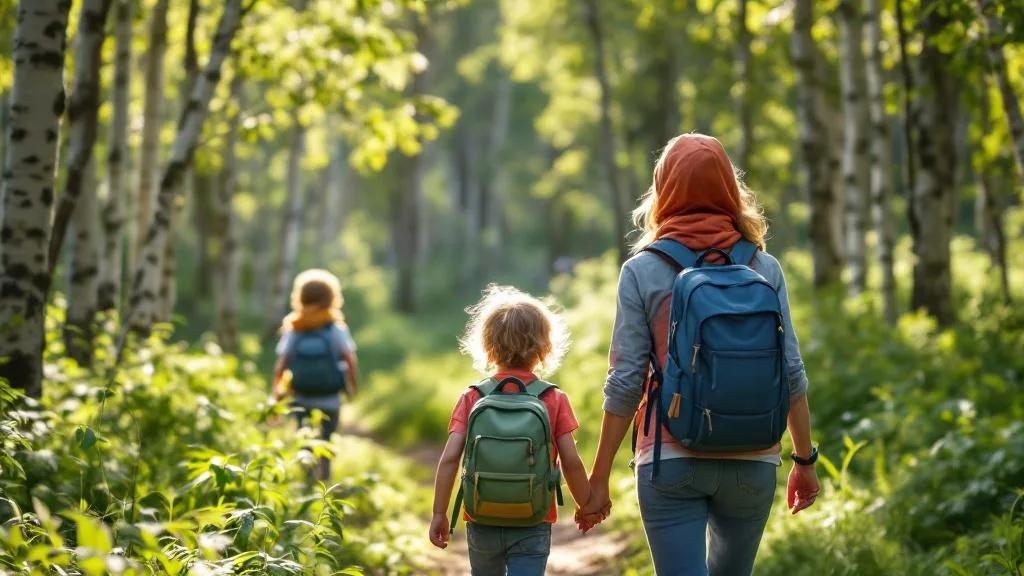
The heat lay heavy over the mountain landscape those first days, and the McGlynn family had to throw out all their plans. Instead of early mornings and long daily stages, they hiked late in the evenings, and the kids sometimes slept up to fourteen hours. Jessica had imagined a different start, but Gröna bandet, all its 1,300 kilometers, had already decided that nothing would go as planned.
There were four of them: Jessica, her husband, and their two sons. The youngest had just turned eleven, the older one was twelve. A family hiking through the Swedish wilderness for nearly ten weeks. It wasn't an impulse. The dream had begun to take root two years earlier, on Kungsleden, when they met other hikers walking Gröna bandet. The kids had lit up immediately. And it was the kids who pushed for it. When the family had to cut short their first Kungsleden hike after fifteen days of nonstop rain and stomach bugs, and Jessica suggested they could do the second half the following year, the boys said no. If we're going to do it, we do it properly. They wanted to start from the beginning.
Jessica had never hiked as a child. Her husband had grown up with outdoor life on the American East Coast, but for her the interest came in adulthood: first as therapy during difficult times, then as a way of living. The family had moved from the USA to Sweden in 2017, partly to escape the rat race. Her husband had been working fifty, sixty hours a week as a bank manager in the US. In Sweden it became forty hours and the right to take parental sick leave. An entirely different existence.
But heading out with two kids for a long summer required more than longing. Jessica sat down and meticulously planned stages, wrote four pages of daily descriptions (distances, shops, rest days as buffers). She did a risk analysis where she wrote down everything that could go wrong and thought through every scenario. How do you carry an injured child onward? What happens if an adult is knocked out? They brought an emergency beacon, but as Jessica said: you can't just rely on that, you have to be able to solve quite a lot yourself.
The trickiest part was getting time off work. Jessica worked at an after-school center without a permanent position, and asking for ten weeks of leave felt risky. She mentioned it casually right after the summer holiday the year before, and posed the real question roughly six months before departure. The employer said yes, perhaps believing the family would give up and come home early. "Not many people thought we'd make it the whole way, including ourselves," Jessica said. "But it's one step at a time. That first step of actually getting going is the big obstacle."
And obstacles came. Jessica's ribs, broken during ski season, had never properly healed. The first week her whole body ached. The horseflies came in swarms; one day she killed seventy-three of them with a rolled-up map. The kids' boots gave out after hundreds of kilometers and started letting in water. Blisters, chafing, wet clothes for days on end. But the boys wanted to keep going. It was Jessica who was ready to give up a couple of times. She offered the kids a way out, knowing they probably wouldn't take it. They didn't.
What carried them wasn't just the destination. It was audiobooks on the monotonous road stretches, word games that made the miles shrink, spontaneous ice cream stops in small villages, and evenings playing cards in the tent. And above all: the conversations. "You have time for each other. That's the biggest thing you take away. You grow very close, talk about everything under the sun, have time to philosophize and reflect on things you never would have thought about otherwise."
Jessica's most important advice for anyone considering it: start small and build gradually. Plan in stages, not the whole route at once. Bring up the question with your employer early: mention it casually first, ask the real question six months ahead. And above all: accept that you might not make it the whole way, but do it anyway. It doesn't matter if you reach the end. What changes you is that you walked.
Next time you're stuck in the rat race wondering if there's something else out there, remember that an eleven-year-old with seven kilos on his back made it through Sweden's entire mountain wilderness. The first step is yours.
Top tips from Jessica