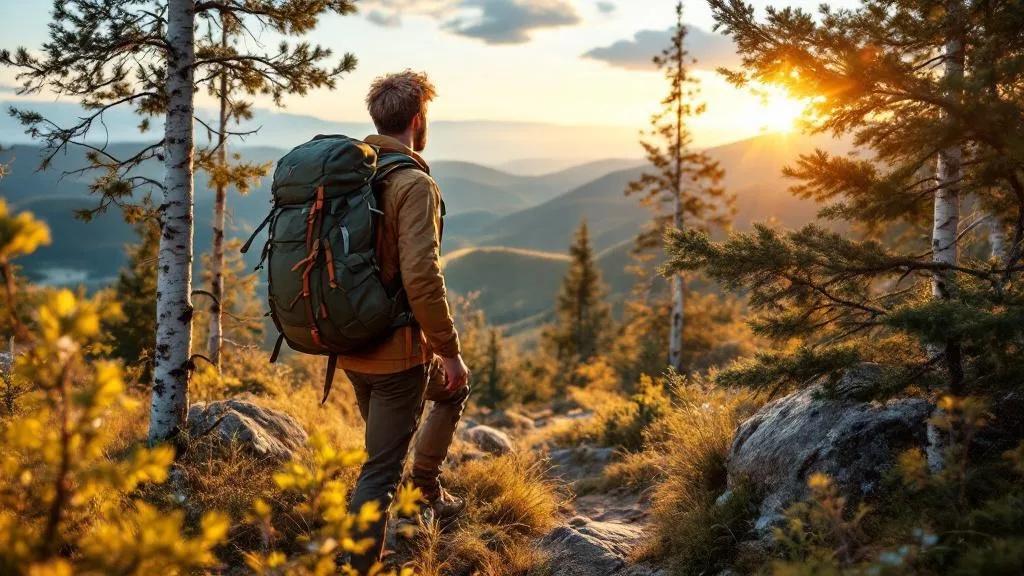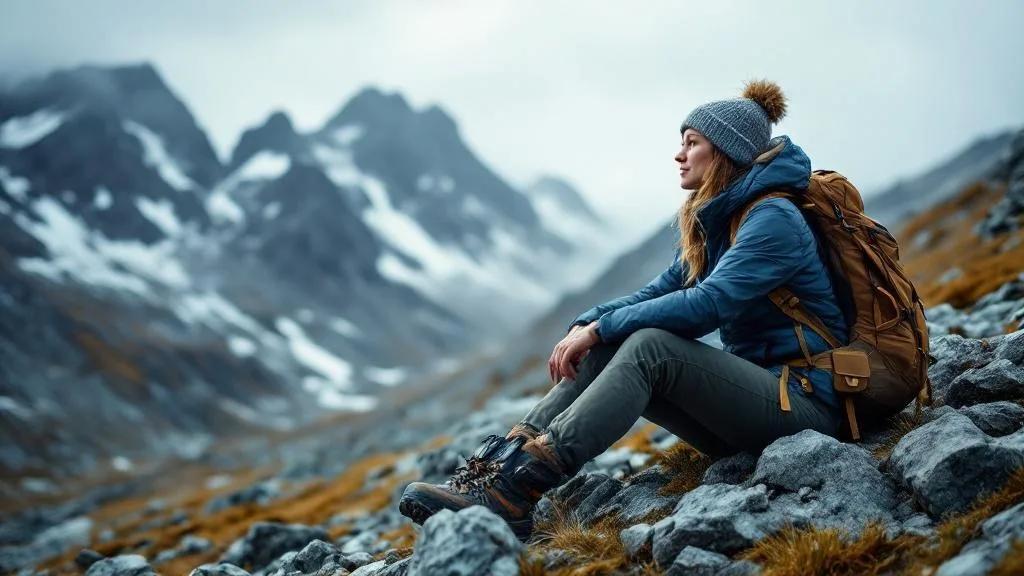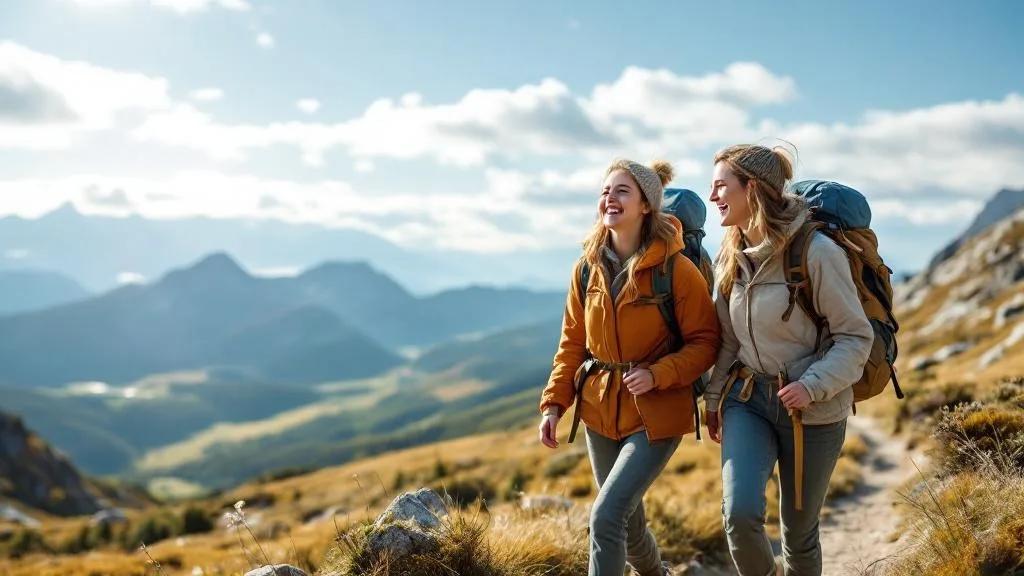

Torkel Ideström and Annika were out somewhere along the Swedish border, soaked through, moving through weather that made every step feel heavier than it should. They had set out to travel around Sweden by their own power: on foot, on skis, and by kayak. It was not always beautiful. It was not always easy. But they had made a deal with each other before leaving: if one of them wanted to quit, they would give it one more week before making the decision for real. A bad day should not be allowed to decide the whole journey.
The idea had started years earlier, during university studies, when maps of the mountains ended up spread across the study books and the dream began to take shape. At first, travelling around Sweden sounded almost absurd. Then they broke it down. A two-week trip here. Another there. More sections connected on the map. Once the impossible was divided into smaller pieces, it became something they could actually decide to do.
In 1997, at twenty-seven, Torkel set out with Annika. They had prepared carefully, trained, planned, looked for sponsors, and even attracted interest from SVT for a documentary. That opened doors and helped make the expedition financially possible, but it also created obligations. Local media wanted to talk to them as they moved along the border. Eventually, the attention started to pull focus from the trip itself, and they had to draw a line: they would call back when they could, but the journey had to remain the centre.
They moved through the mountain chain and along the coast, meeting a kind of generosity that stayed with Torkel long after the expedition ended. People invited them in, gave their time, shared stories, and turned remote places into human ones. Those meetings could not have been planned, and that was precisely why they mattered.
One of the most important lessons came from pace. Torkel had entered the expedition with a physical mindset: use the days, push on, make the most of the body. Annika questioned the rush. They had no record to break. Their goal was to be outside, to travel, to live in the movement of the journey. Slowly, their expectations aligned. During the paddling section, they discovered that they were among the slowest to complete that route. To Torkel, that did not feel like failure. It clarified the point. "Why hurry home when I want to be out?" became the line that stayed with him.
The expedition changed his life. Torkel did not return to the path he had been on before. He had been studying toward a desk-based ecology career, but the journey made the signal impossible to ignore: he wanted to work with mountains, outdoor life, and people finding their way into nature. That became the thread running through his work from then on.
The seed for Vita & Gröna Bandet grew from that same experience. The point was not to create a fixed trail or a race. It was to open people's imagination to what is possible close to home: long, self-powered journeys through the Swedish mountain chain, made by ordinary people with enough time, preparation, and commitment. Torkel wanted people to see that adventures do not have to be on the other side of the world. Sweden already holds journeys large enough to change a life.
Today, Vita & Gröna Bandet has become a reference point for many of the adventurers in this project. Some walk Gröna Bandet in summer. Some ski Vita Bandet in winter. Some do both. What they share is the experience Torkel keeps returning to: the simplicity of being outside for a long time, staying warm, dry, fed, and safe, and letting the days strip life back to what matters.
His advice is practical and hard-earned. Break the dream into pieces. Give yourself enough time for the unexpected meetings, because they may become the best part. Prepare not because the plan will hold perfectly, but because the preparation builds resolve. And if you can avoid turning the trip into a media or sponsor obligation, do. A long journey can be a chance of a lifetime, and it deserves your full attention.
Top tips from Torkel